Rehabilitation after injury: how to heal the body and mind
War leaves behind not only physical wounds but also deep psychological scars. Veterans and civilians who have suffered injuries, amputations, or severe trauma need a comprehensive recovery approach. Rehabilitation after trauma is not only about regaining physical activity, but also about healing the mind, emotions, and returning to a fulfilling life.
Physical Rehabilitation After Injuries: First Steps
Physical recovery after war-related trauma starts with a thorough assessment of the body, determining the extent of injuries, and developing an individual recovery plan. Specialized recovery centers use modern techniques that include:
- mechanotherapy and kinesiotherapy;
- massage and physiotherapy;
- occupational therapy;
- muscle electrostimulation;
- post-amputation rehabilitation using prosthetics.
Special attention is needed for those with severe injuries. It is crucial to restore not only muscle function but also coordination, self-care skills, and balance. Military rehabilitation in Ukraine also includes support with mobility aids, orthopedic devices, and assistance in social reintegration.
Psychological Adaptation After Trauma
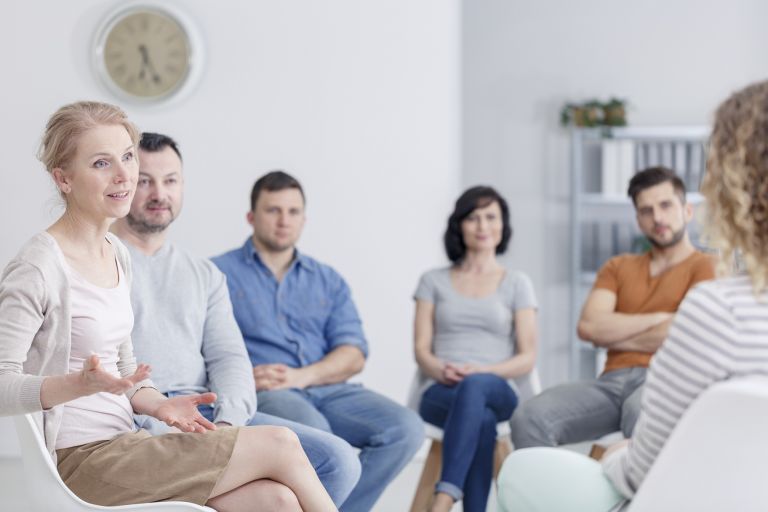
Psychological adaptation is equally vital. PTSD, depression, and anxiety are common among those who return from war with physical trauma. Psychologists and therapists help patients accept their new condition, develop emotional coping skills, and maintain healthy relationships with family and society.
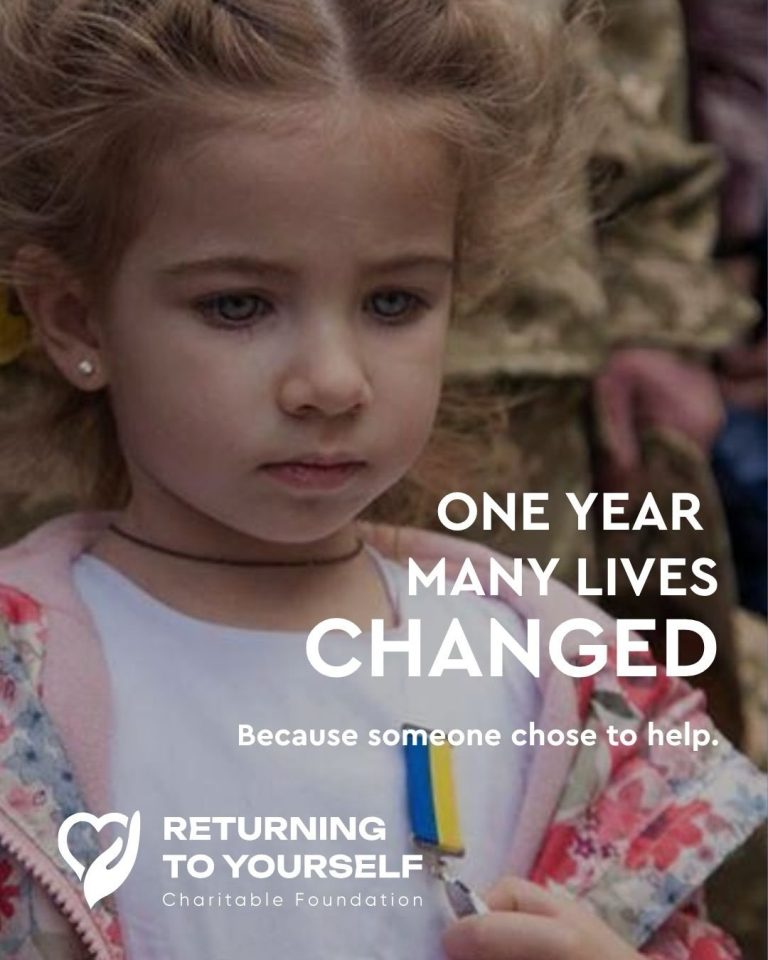
The Returning To Yourself Foundation organizes programs that combine psychological support with physical recovery practices. Mental health care is an essential component of every rehabilitation program for trauma survivors.
Rehabilitation Programs: European Experience
Comprehensive physical and psychological recovery programs for veterans, cancer patients, doctors, and teachers are implemented by the Returning To Yourself Foundation in the Czech Republic, Poland, and Slovakia. Program participants undergo rehabilitation in peaceful European resort settings, receiving individualized recovery plans, medical supervision, and comfortable living conditions.
Each program is tailored to the type of injury, overall health, and personal capabilities of the patient, with a focus on restoring physical function.
How to Build an Effective Rehabilitation Process
To achieve long-term results after an injury, a holistic approach is essential. Effective rehabilitation typically includes:
- professional medical evaluation;
- selection of an optimal physical recovery plan;
- psychological support throughout all recovery stages;
- individual care from a rehabilitation specialist and program coordinator;
- integration into social life after the primary recovery phase.
Rehabilitation must go beyond the physical. People need support to understand their new role in life and find motivation to move forward.
Traumatology Support for Veterans
Veterans’ trauma care requires a high level of expertise and a personalized approach. Medical facilities cooperating with charitable foundations are experienced in treating combat wounds, amputations, and blast injuries. Post-amputation rehabilitation especially demands attention to both physical and emotional aspects.
The Returning To Yourself Foundation assists in organizing both initial trauma care and long-term recovery. Veterans can access not only medical services, but also help with documentation, logistics, housing, and adaptation abroad.
Rehabilitation after trauma is a process that requires time, patience, and professional support. It is vital to combine physical recovery with psychological adaptation, provide access to specialized rehabilitation centers, and offer programs tailored to individual needs. Physical rehabilitation, psychological support, and the active involvement of organizations like Returning To Yourself give veterans a chance to return to active, fulfilling lives.