Psychological rehabilitation of military and civilians: approaches and methods
The psychological effects of war often remain unnoticed by those around them, but they can have the most profound impact on people’s quality of life. Both military personnel and civilians face acute stress reactions, post-traumatic stress disorder, and emotional burnout. Timely and professional psychological assistance to military and civilians allows them to restore internal balance, reduce PTSD symptoms, and regain the ability to build a new life after what they have experienced.
Main symptoms of psychological trauma
PTSD in civilians and military personnel can manifest itself differently, but there are a number of common signs that are worth paying attention to:
- re-experiencing traumatic events in dreams or memories;
- increased anxiety, irritability, aggression;
- emotional numbness, isolation from loved ones;
- difficulties with sleep, concentration, and memory;
- emergence of panic attacks, depression, or suicidal thoughts.
In wartime, psychological recovery from stress becomes no less important than physical. Ignoring symptoms can lead to worsening of mental state and maladjustment.
Methods of psychological rehabilitation
Modern psychotherapy after the war offers various approaches to the treatment of combat stress. Depending on the severity of symptoms, circumstances and personal characteristics, the most effective method is chosen. The most common include:
- cognitive behavioral therapy (CBT);
- empirical experiential desensitization and reprocessing (EMDR);
- art therapy and body-based practices;
- individual consultations with a psychotherapist;
- group therapy for military and civilian personnel.
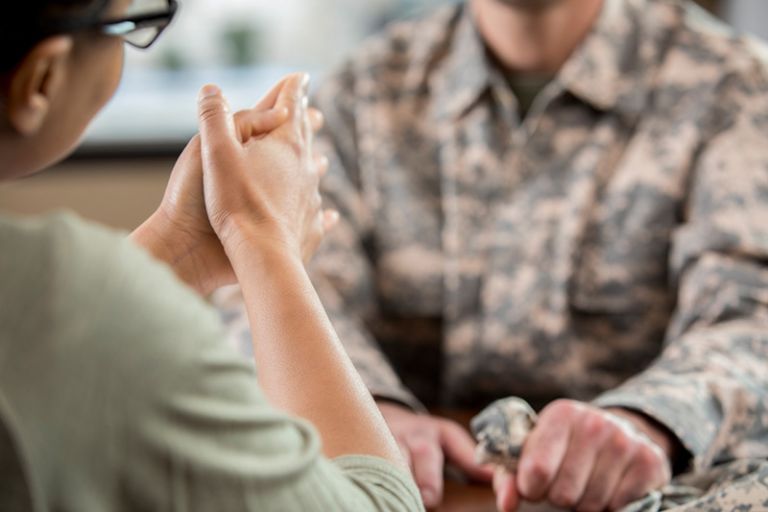
Group therapy for military personnel allows them to share experiences with others who have experienced similar experiences, to feel support and understanding, and to find new resources to overcome internal crises. In turn, individual consultations make it possible to work with deep psychological traumas.
Psychological assistance to military and civilian personnel: stages of rehabilitation
Professional rehabilitation of war victims involves several key stages:
- Psychodiagnostics of the condition: determining the degree of psychological disorders.
- Drawing up an individual plan of psychological support.
- Application of therapeutic methods: individual, group or integrative.
- Socialization and support in adapting to everyday life.
- Long-term support and prevention of relapses.
Special attention is also paid to the emotional rehabilitation of Ukrainians who have lost loved ones, homes or experienced violence during hostilities. Support for veterans and families is critically important in the recovery process of the entire community.
International Psychological Recovery Programs
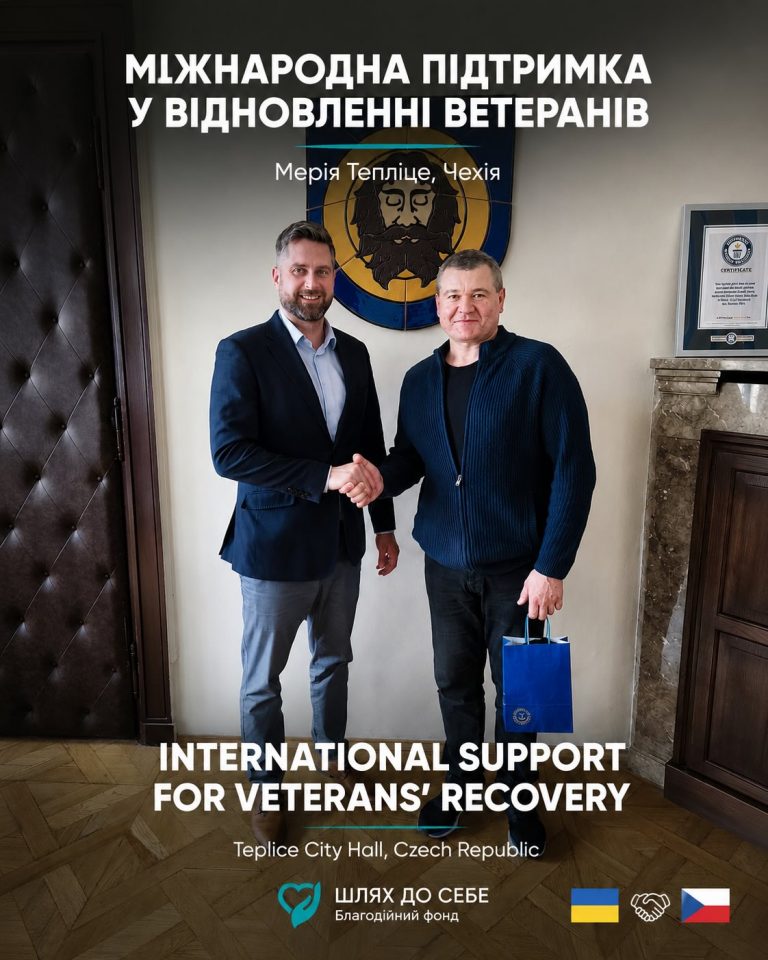
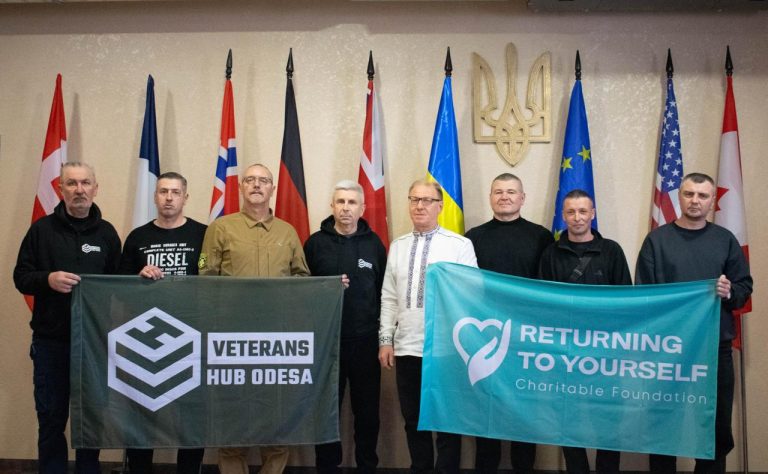
The «Returning to Yourself» Foundation offers comprehensive programs of physical and psychological recovery for veterans, cancer patients, doctors and teachers. Rehabilitation takes place in the Czech Republic, Poland and Slovakia – in the silence of European resorts, where program participants receive an individual approach, professional psychological assistance and a comfortable environment for healing.
Program participants have the opportunity to undergo a full cycle of psychological rehabilitation using modern methods, including art therapy, bodywork, training in self-regulation skills and strategies for overcoming stress. Such programs not only help to return to emotional balance, but also create a community of support and interaction.
Psychological assistance to military and civilian personnel is not a luxury, but a vital component of post-conflict recovery. The use of modern methods of psychological rehabilitation, support from specialists and participation in programs from organizations such as The Returning to Yourself Foundation allow them to overcome the consequences of war, preserve their dignity and find strength for a new stage of life. Everyone has the right to healing – physical and mental.