Oncology and war: how to receive support and treatment abroad
The war has brought not only destruction of infrastructure and lives, but has also made access to medical care significantly more difficult for those who need it most. Cancer patients during wartime face a number of serious challenges — from evacuating combat zones to a prolonged search for quality treatment. Despite the difficult situation, there are cancer treatment programs abroad that give Ukrainians a chance at life.
Challenges faced by cancer patients during wartime
Oncological support in times of war requires a systemic approach. Many patients are unable to receive timely diagnostics, chemotherapy, or surgical intervention due to destroyed medical facilities or the evacuation of personnel. Medical care for cancer patients from Ukraine has become one of the most urgent humanitarian needs.
It is especially important to ensure the continuity of treatment, which often lasts for months or even years. Losing access to necessary medications or specialists can cost lives.
The Returning To Yourself Foundation and international assistance
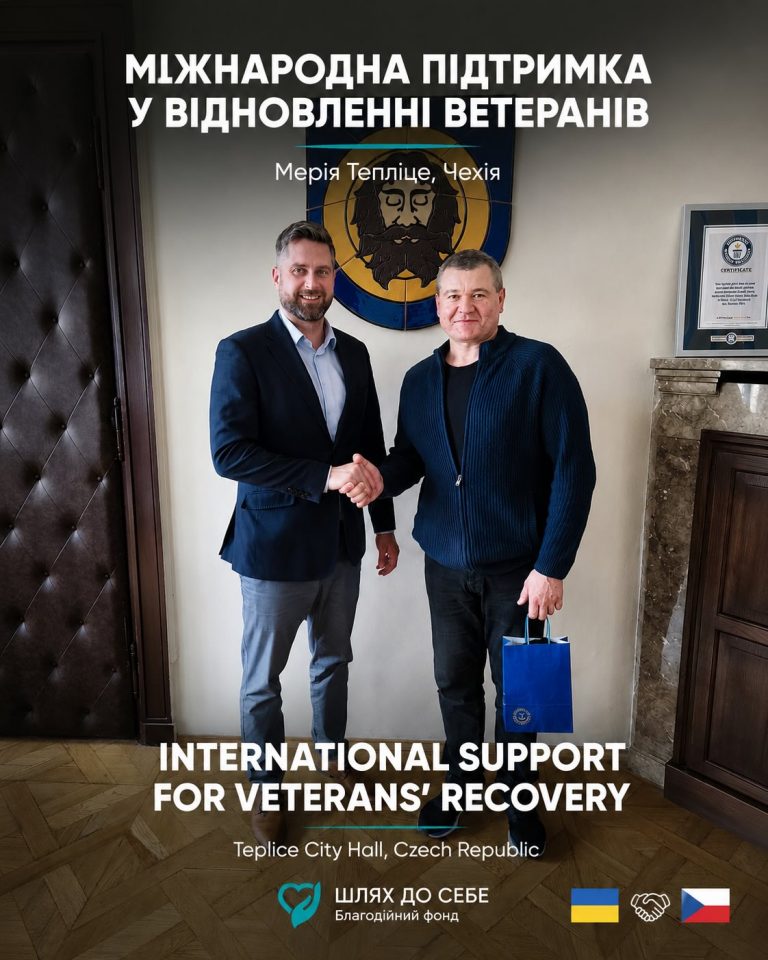
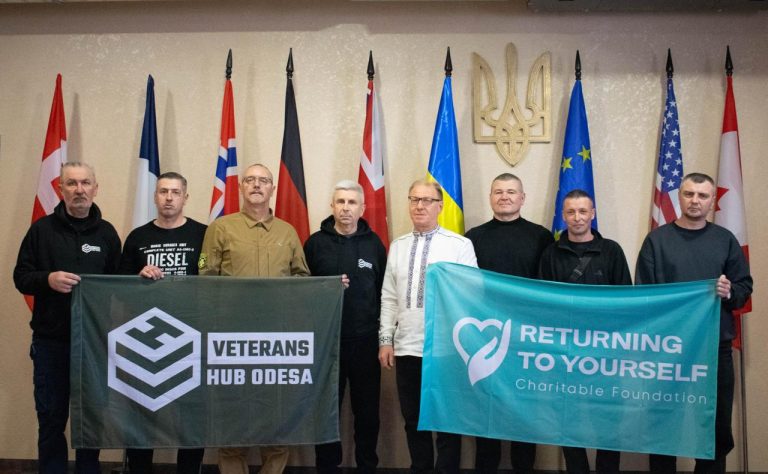
The Returning To Yourself Foundation has become one of the key coordinators of assistance for cancer patients during the war. The organization collaborates with clinics abroad to provide cancer treatment abroad for Ukrainians in safe conditions. This includes not only therapeutic care but also psychological support, transportation, and local adaptation.
Comprehensive physical and psychological recovery programs for veterans, cancer patients, doctors, and teachers are organized in the Czech Republic, Poland, and Slovakia. Rehabilitation takes place in the quiet surroundings of European resorts, with personalized programs, medical supervision, and comfortable accommodations.
How to receive cancer treatment abroad
Cancer patients can reach out to the Returning To Yourself Foundation or partner organizations engaged in humanitarian aid for cancer patients. The main steps for receiving assistance include:
- gathering medical records and diagnosis summaries;
- contacting the foundation or the national cancer support hotline;
- application review and matching with a suitable clinic abroad based on diagnosis;
- evacuation of the patient and escort to the clinic;
- beginning treatment with the possibility for family members to stay nearby.
Cancer treatment in Europe for Ukrainians is often provided with full or partial funding from international foundations and medical institutions. This has been made possible thanks to the active efforts of charitable organizations and cooperation with foreign governments.
Support programs and organizations
A number of organizations have united their efforts to support Ukrainians with cancer. These include:
- Returning To Yourself Foundation;
- cancer support funds for Ukrainians run by international clinics;
- European charitable organizations funding cancer treatment programs abroad;
- humanitarian missions from the Red Cross, the UN, and other organizations.
Humanitarian aid for cancer patients includes not only medical services but also logistics, housing, meals, and psychological support. In many cases, patients are assigned a personal coordinator who assists them from the initial contact to the completion of treatment.
The importance of psychological and social support
In addition to medical care, cancer patients need constant psychological support, especially when they are forced to leave their home country during wartime. Stress, uncertainty, and separation from loved ones all intensify the patient’s condition. Psychologists involved in the program work with both patients and their families to reduce anxiety and help them adapt to new environments.
The Returning To Yourself Foundation provides psychological support as part of its programs — including individual consultations, group sessions, and art therapy.
A look into the future
Despite the difficult circumstances, Ukrainians diagnosed with cancer still have hope. Cancer treatment abroad for Ukrainians is a reality made possible by compassionate individuals, international support, and the dedicated work of humanitarian organizations. The foundation continues its mission, helping those who need it most.
Oncological support in wartime is more than medicine — it is an act of humanity, solidarity, and faith in life even during the darkest times.